
How Hormones Quietly Affect Your Sleep Every Night
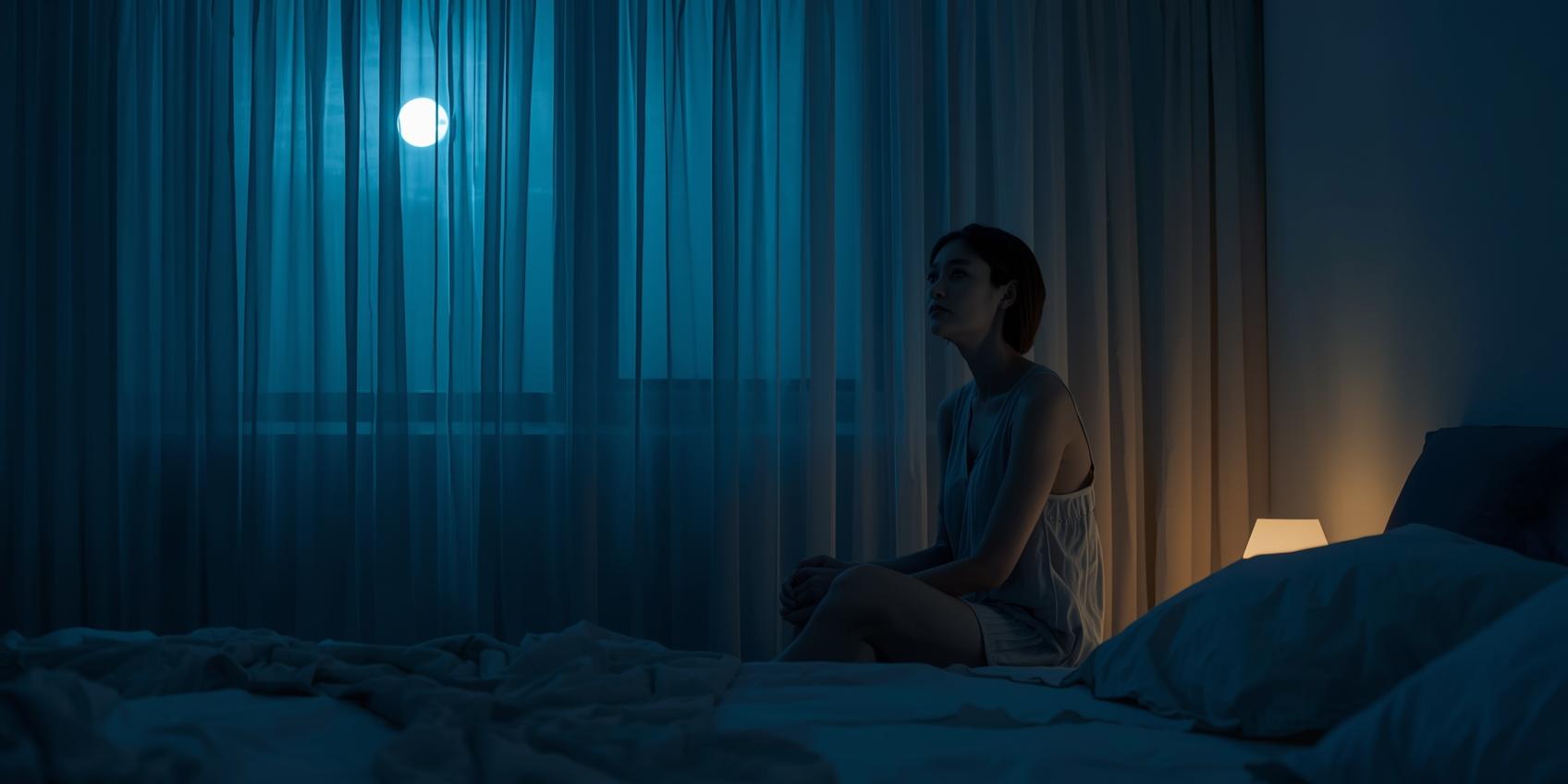
You may blame stress.
Or screens.
Or caffeine.
But sometimes, the shift in your sleep isn’t behavioral.
It’s hormonal.
Your body doesn’t sleep the same way every week of your cycle.
And the change is often quiet — until you notice the pattern.
Estrogen and Sleep Depth
In the first half of your cycle, rising estrogen can support:
• Better mood stability
• Sharper focus
• Smoother sleep onset
Many women notice they fall asleep faster during this window.
Recovery feels easier.
Progesterone and Body Temperature
After ovulation, progesterone rises.
This can:
• Slightly increase core body temperature
• Make sleep feel lighter
• Increase nighttime wake-ups
Even small temperature shifts can affect sleep depth.
It’s subtle — but real.
Late Luteal Sensitivity
In the days before your period, sleep may feel:
More restless
More interrupted
More emotionally charged
You may wake earlier.
Or find your mind more active at night.
This doesn’t mean insomnia.
It often means hormonal sensitivity.
Why It Feels Confusing
Because your routine didn’t change.
But your internal chemistry did.
When you don’t track your cycle, these shifts feel random.
When you do, they become predictable.
What Helps
Not drastic sleep hacks.
Just small adjustments during sensitive phases:
• Slightly earlier wind-down
• Lower evening light
• Reduced late caffeine
• Lighter workouts late-cycle
Alignment reduces frustration.
When to Look Deeper
Occasional restless nights across your cycle are common.
But if sleep is consistently disrupted, severely fragmented, or significantly affecting daytime functioning, consider consulting a qualified healthcare professional for personalized guidance.
Your sleep isn’t inconsistent.
It’s cyclical.
In Evola, better rest begins with better timing.
This article is for general information only and does not replace professional medical advice.